

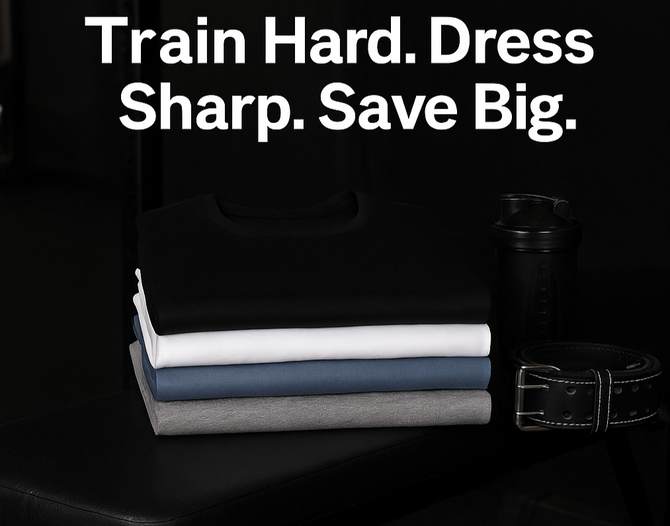
You didn’t build your physique to disappear under boxy shirts and tight, overworked seams. If you’re figuring out how to dress with a muscular physique, the goal is simple: clean lines, sharp proportions, and clothes that respect your build without turning every outfit into a size struggle.
Most mainstream menswear is made for average proportions. That’s where the problem starts. A shirt that fits your waist pulls across your chest. A shirt that fits your shoulders balloons through the midsection. Jeans that clear your thighs leave extra fabric everywhere else. Dressing well with a muscular frame is not about sizing up and hoping for the best. It’s about understanding fit, structure, and what actually works on a body with developed shoulders, arms, glutes, and legs.
How to Dress With a Muscular Physique Without Looking Overdressed
The biggest mistake muscular guys make is confusing tight with tailored. Tight clothing doesn’t look premium. It looks strained. When fabric is pulling at the buttons, clinging to the sleeves, or fighting across the seat and thighs, the outfit stops looking intentional.
A strong fit should follow your shape, not compress it. You want room where your body needs it - chest, delts, biceps, quads - and a cleaner taper where it sharpens your silhouette, especially through the waist and lower leg. That balance is what separates a polished muscle fit look from something that feels forced.
This matters even more in everyday outfits. A muscular physique already creates visual presence. You do not need loud styling to make a statement. In most cases, cleaner pieces, better proportions, and premium fabrics will do more for your appearance than trendy cuts ever will.
Start With Fit, Not Size
Size labels are less useful when you carry more muscle than the standard fit model. A medium in one brand may choke your arms. A large may fit your shoulders and still hang loose at the waist. That’s why fit should be your first filter, not the number on the tag.
For tops, prioritize shoulder alignment first. If the shoulder seam is dropping too far down your arm, the shirt is too big. If it sits too high and the sleeve is pulling, it’s too small. Once the shoulders are right, look at the chest and torso. You want shape, not squeeze. The shirt should skim your upper body and taper enough to avoid that boxy, inflated look.
For pants, the same rule applies. The waistband should sit clean without digging in, but the real pressure points are usually the glutes and thighs. If those areas are too tight, the rest of the pant won’t sit correctly. A better option is a cut designed with more room up top and a controlled taper below the knee.
That is why physique-specific design matters. Muscle fit clothing exists because standard grading breaks down on athletic builds. Brands like Oxcloth are built around that reality, and it shows in how the clothes sit on the body.
The Best Shirts for a Muscular Build
Shirts make or break your wardrobe because they expose every fit issue immediately. The wrong shirt makes your physique look awkward. The right shirt makes you look put together in seconds.
A good T-shirt for muscular men should frame the chest and shoulders without clamping down on the sleeves. You want the arms to look defined, not trapped. The body should taper through the torso, but there should still be enough ease to move comfortably. If the hem flares out or the waist section hangs straight, the shirt loses shape.
Casual button-downs should open your frame, not fight it. Stretch fabric helps, but stretch alone is not enough if the pattern is still cut like a regular fit shirt. Look for structure in the shoulders, room in the chest, and a taper through the waist. That gives you a cleaner V-shape without the pulling that happens across the buttons.
Dress shirts are even less forgiving. If you have built delts, arms, and lats, standard office shirts usually create one of two bad outcomes: too tight up top or too loose through the middle. A proper muscle fit dress shirt should keep the collar and shoulders sharp while reducing excess fabric at the waist. That combination looks stronger, more expensive, and more intentional.
Pants Should Match Your Upper Body
A lot of muscular men focus on getting the top half right and ignore the lower half. That throws off the whole look. If your upper body is powerful and your pants are too slim, too low-rise, or too flimsy, your proportions feel off fast.
Chinos and jeans should give your quads and glutes enough space to sit naturally. When the fabric grips too hard, every movement looks restricted. When the leg is too wide, the outfit loses shape. The sweet spot is athletic through the seat and thigh with a taper that stays clean from the knee down.
Joggers can work extremely well on muscular builds, but only if they are structured enough to look intentional outside the gym. A premium jogger should hold its shape, sit clean at the ankle, and avoid excess bunching. Otherwise, it reads as loungewear instead of part of a styled outfit.
If you train legs seriously, fabric matters as much as cut. Look for materials with recovery and durability. Thin fabric often gives out early around the thigh and seat, while heavier premium blends hold the silhouette better and wear more cleanly.
Use Fabric and Color to Your Advantage
When you have a muscular frame, fabric changes everything. Lightweight materials can cling too much and exaggerate every contour. Very stiff materials can make you look bulky in the wrong way. The best option is usually a mid-weight fabric with enough structure to drape clean and enough flexibility to move with you.
This is especially important in tops. A soft, structured tee looks premium because it follows the chest and shoulders while staying controlled through the waist. The same goes for shirts and outer layers. You want fabric that supports the shape instead of collapsing around it.
Color also affects how your physique reads. Darker shades sharpen the frame and feel more refined. Black, navy, charcoal, olive, and crisp neutrals are reliable because they keep the focus on silhouette. Lighter colors can work too, but they tend to reveal more tension points in fit, especially around the chest and arms.
That does not mean you should only wear dark basics. It means your fit has to be even better when the fabric is lighter or the color is louder. Muscular builds already get noticed. Precision matters more than flash.
Layering for Athletic Builds
Layering can elevate your look fast, but it has to be done with restraint. If your base layer is too bulky or your outer layer is too tight, you end up looking compressed. If every layer is oversized, your physique disappears.
Start with a fitted base that sits close to the body. Then add a layer with enough structure to define your shoulders without adding unnecessary volume. Overshirts, lightweight jackets, and clean hoodies can all work if they are cut with athletic proportions in mind.
The key is avoiding stacking too much fabric through the arms and chest. Muscular men fill out clothes quickly. Layering should add depth, not pressure. If it feels like your outfit is fighting your body, it probably looks that way too.
Style Mistakes That Hurt a Muscular Physique
The most common mistake is wearing clothes that are too big to solve tightness. That usually creates a worse problem. Instead of looking broader, you look less defined and less polished. Extra fabric around the waist, sleeves, and lower leg kills your shape.
The second mistake is going too small in an attempt to show size. That reads as insecure, not sharp. If buttons are pulling or seams are stressed, the garment is wrong, full stop.
The third mistake is dressing like every outfit has to prove you lift. You don’t need exaggerated cuts, loud graphics, or ultra-tight basics every day. A muscular physique already does a lot of the work. Better style comes from control.
Build a Wardrobe That Works Across Settings
If you want to dress well consistently, stop thinking in isolated pieces and start thinking in categories. You need reliable T-shirts, casual shirts, dress shirts, chinos or jeans, and one or two elevated layers that fit your frame correctly. That gives you options for work, weekends, dinners, travel, and nights out without reinventing your style every time.
The benefit of a wardrobe built around muscle fit essentials is speed. You spend less time wondering what might fit and more time getting dressed with confidence. Every piece should support the same outcome: a strong silhouette, clean proportions, and comfort that lasts all day.
Knowing how to dress with a muscular physique is really about respecting the body you built and refusing clothes that were never designed for it. When the fit is right, everything looks more expensive, more masculine, and more intentional. Dress like your physique belongs there, because it does.


