

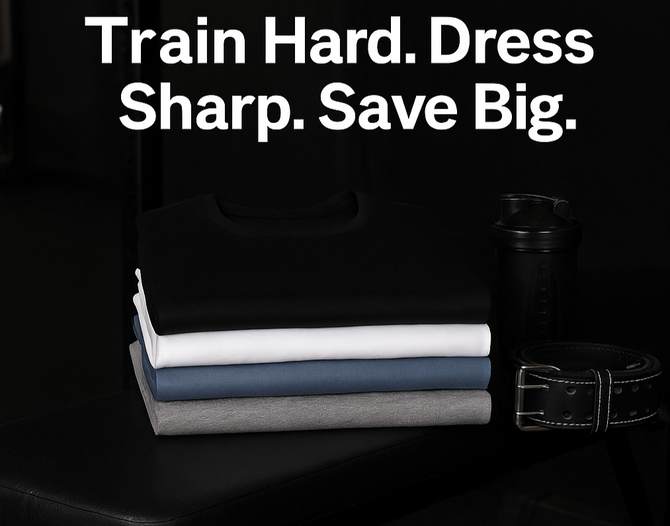
If you train hard, you already know the problem. A regular shirt that fits your waist usually strangles your chest and sleeves. A shirt that fits your shoulders hangs loose through the midsection and makes your build look hidden instead of defined. That is exactly why the question matters: what is a muscle fit shirt? It is a shirt designed for men with developed chests, shoulders, arms, and often a narrower waist, so the fit follows an athletic shape instead of fighting it.
A true muscle fit shirt is not just a smaller slim fit. It is a different cut built around proportions that standard menswear usually gets wrong. For bodybuilders, lifters, athletes, and muscular professionals, that difference is the whole point.
What is a muscle fit shirt, exactly?
A muscle fit shirt is a tailored shirt cut to accommodate a more muscular upper body while still keeping a clean, tapered silhouette. In practical terms, that usually means more room across the chest, shoulders, and biceps, with less excess fabric around the waist.
The goal is simple: let the shirt fit your physique instead of forcing your physique into a generic block shape. A well-made muscle fit shirt should feel close to the body, but not restrictive. It should highlight shape without pulling at the buttons, bunching at the lower back, or choking your arms every time you move.
That matters whether you are wearing a dress shirt to the office, a casual button-up on the weekend, or a fitted tee that needs to sit right across your torso. If you have built a stronger frame, your clothing has to account for that. Standard sizing rarely does.
How a muscle fit shirt differs from slim fit
This is where a lot of confusion starts. Slim fit and muscle fit are not the same thing.
A slim fit shirt is typically reduced all over. It is narrower in the chest, tighter through the torso, and often cut for a lean, straight build. That can work if you are naturally slim, but for muscular men it often creates pressure in the wrong places. The chest pulls, the sleeves clamp down, and the shoulder seam sits wrong.
A muscle fit shirt is shaped with different priorities. It gives strategic room where athletes need it most, then tapers where they usually do not need extra fabric. That means it is more anatomical than simply narrow.
Think of it this way: slim fit tries to remove volume. Muscle fit tries to place volume correctly.
The key features of a true muscle fit shirt
The easiest way to spot a real muscle fit shirt is by how it handles proportion.
The shoulders should sit cleanly without pinching. The chest should have enough space to close comfortably without button strain. The sleeves should contour the arms instead of ballooning or cutting off circulation. Through the waist, the shirt should taper enough to avoid that boxy, oversized look.
Fabric also matters more than most men realize. Many muscle fit shirts use stretch blends because extra mobility is not optional when your upper body is more developed. A little stretch helps the shirt move with you, especially across the back, chest, and arms. That does not mean every stretch shirt is muscle fit, but it does mean the best muscle fit designs often combine shape and mobility.
Length is another detail that gets overlooked. A shirt for muscular men should stay balanced on the body. Too short and it rides up. Too long and it adds bulk through the lower torso. The right length keeps the line clean whether the shirt is worn tucked or untucked, depending on the style.
Who should wear a muscle fit shirt?
The short answer is any man whose physique makes standard shirts fit badly.
That includes bodybuilders, powerlifters, athletes, men with naturally broad shoulders, and anyone who has spent years building their upper body in the gym. You do not need stage-level size to benefit from a muscle fit. If you regularly have to size up for your chest and then deal with extra fabric everywhere else, you are already the target customer.
It can also work well for men with a pronounced V-taper. Broad up top, tighter through the waist - that is exactly where traditional shirt patterns tend to fail.
That said, muscle fit is not automatically better for every body type. If your build is more average or you prefer a relaxed silhouette, a classic or regular fit may feel more natural. The right choice depends on both your proportions and how you want your clothes to present.
Why standard shirts fail muscular builds
Most off-the-rack menswear is built around general sizing formulas. Those formulas assume fairly even proportions between chest, waist, shoulders, and arms. For trained physiques, that assumption falls apart fast.
A man who lifts consistently often has a bigger chest, rounder delts, thicker arms, and a narrower waist than standard patterns expect. That creates multiple fit issues at once. The collar may fit, but the torso pulls. The chest may fit, but the waist blouses out. The body may fit, but the sleeves are too tight or too long.
This is why many muscular men think they have a size problem when they really have a pattern problem. Going up a size gives you more fabric, not necessarily a better shape. A muscle fit shirt solves that by changing the cut itself.
What a muscle fit shirt should feel like
A great muscle fit shirt should feel sharp, controlled, and easy to move in.
It should skim the body without looking painted on. You should be able to sit, drive, reach, and move naturally without hearing stitches strain or feeling tension across your back. If the buttons are pulling open, the fit is too tight. If the fabric is folding and pooling around your waist, it is too loose.
The best fit usually lands in the middle: close enough to show structure, relaxed enough to function in real life. That balance is what separates premium muscle fit clothing from novelty sizing or overly aggressive fashion cuts.
Dress shirts vs casual muscle fit shirts
Not every muscle fit shirt is built the same, because not every setting asks for the same performance.
A muscle fit dress shirt needs a sharper line. It should clean up the torso, sit neatly under a jacket, and hold its shape in more formal situations. Precision matters here because extra bulk is obvious under tailoring.
A casual muscle fit shirt can be a little more relaxed depending on the fabric and design. You may want a slightly softer drape, a more flexible sleeve, or an untucked length that works off-duty. The athletic shape is still there, but the overall attitude is less rigid.
The same applies to tees. A muscle fit T-shirt should frame your shoulders and chest, taper at the waist, and keep the sleeves fitted without squeezing the arm. Done right, it looks clean and intentional. Done badly, it looks like you bought a size too small.
How to know if a muscle fit shirt actually fits you
Start with the shoulder seam. It should end close to your natural shoulder edge. If it drops too far down the arm or sits too far inward, the whole shirt will look off.
Next check the chest. You want definition, not tension. If the placket pulls or gaps when you move, size or cut is wrong. Then look at the waist. A muscle fit shirt should follow your shape, but it should not cling around the stomach.
Sleeves are a major tell. They should sit close around the biceps and triceps without restricting movement. If you cannot bend your arm comfortably, the fit is too aggressive. If the sleeves flare out and lose shape, you are back in standard-shirt territory.
Finally, move around. Raise your arms. Sit down. Twist slightly. A shirt can look good standing still and fail the second you start living in it.
Is a muscle fit shirt worth it?
If you have a muscular build, yes. Not because it is trendy, but because it solves a real fit problem.
Better fit changes how a shirt looks, how it feels, and how often you actually want to wear it. It also changes presentation. A shirt that follows your frame correctly looks more refined, more premium, and more deliberate than one that bunches, pulls, or hides your shape.
There is a trade-off, though. Muscle fit leaves less room for error. If the pattern is poorly made, you will notice immediately. That is why fit engineering matters more than labels. A brand can call anything muscle fit. The real test is whether the shirt is built for a developed physique from the first seam.
For men who train seriously, style should not fall apart the second they leave the gym. A muscle fit shirt is what happens when clothing finally catches up to the body you built. Brands like Oxcloth are built around that idea, and once you wear the right cut, it is hard to go back.
The right shirt should make your physique look intentional, not accidental - and it should do it without compromise.


